Guides / Choosing a Supplier
Buying Machined Audio Parts as a Boutique Hi-Fi Brand Owner: The Route From Idea to Repeat Order
November 21, 2026
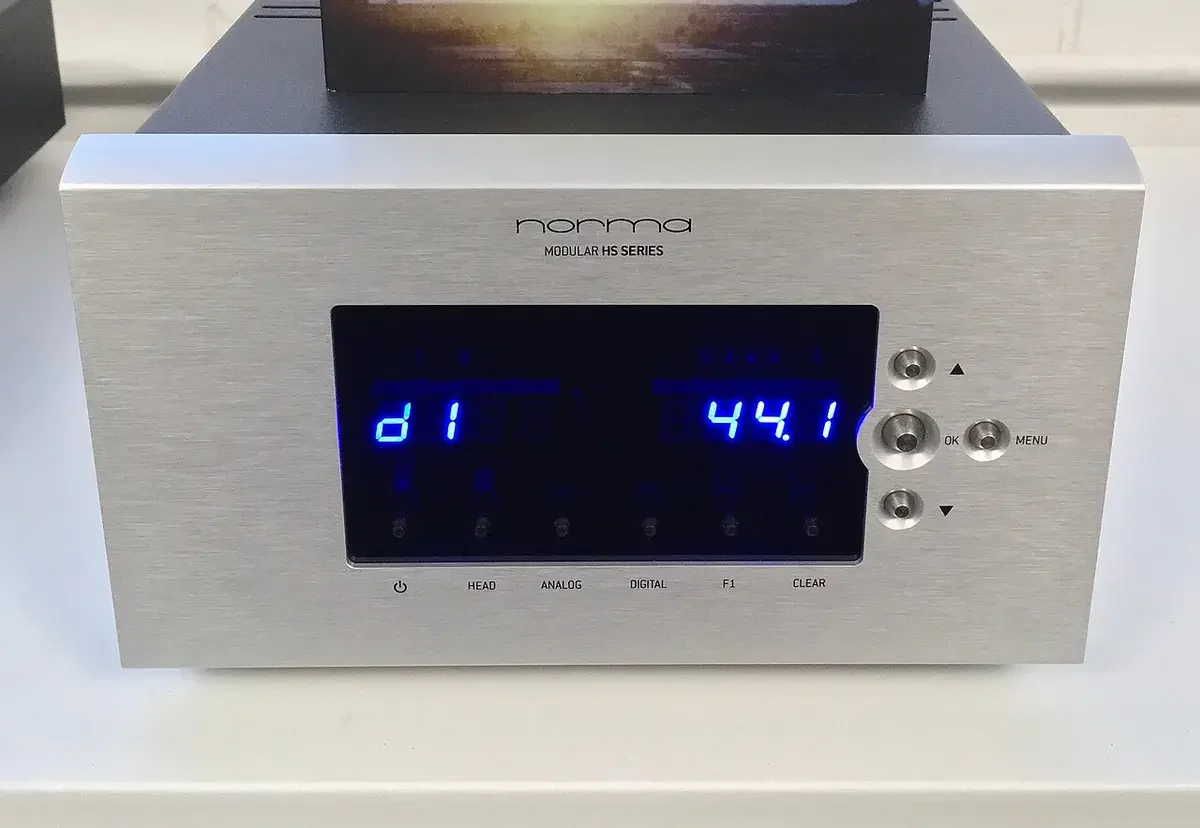
A boutique hi-fi brand owner buys machined audio parts in a fixed order: choose the construction and finish, set a budget and quantity, write the drawing and RFQ, pick a shop, approve a sample against a reference, agree terms, follow the run and check the rules that apply when the product ships. Each step has a post on this site. This guide shows the route, says what you decide at each step and links the post that covers it. It is written for the owner who makes the decisions and signs the approvals, often alone.
The brand owns three things a shop cannot own for you: the drawing, the finish standard and the approval. The shop owns the process. Most disputes on cosmetic parts come from a gap between those two, so the route below is built around closing it.
The route in one table
| Step | What you decide | Posts to read |
|---|---|---|
| 1. Construction | Billet, extrusion, folded sheet or die cast. Aluminium or steel. Which alloy | Billet, extrusion or sheet, die cast vs CNC, aluminum vs steel chassis, alloys for anodized parts |
| 2. Finish | Brushed, bead blasted, anodized colour, coating. What the panel should look like at arm’s length | Audio panel finishes guide, black vs silver anodize, brushed vs bead blasted |
| 3. Budget and quantity | How many pieces, how many prototypes, what a one-off is worth | Chassis cost line by line, prototype chassis cost, finishing cost drivers, MOQ and lead time, crowdfunded first run |
| 4. Drawing and RFQ | Tolerances, finish callouts per face, the files you release | Drawing callouts for cosmetic faces, tolerance stack basics, RFQ checklist, protecting your drawings |
| 5. Choosing the shop | Region, size of shop, what proof you ask for | Choosing a shop for audio parts, China, Taiwan, Europe or USA, sample kit a shop should send |
| 6. Approval | The reference everyone judges against | Golden and boundary samples, first article inspection, cosmetic defect definitions |
| 7. Terms | Payment steps, what counts as a reject, who pays for rework | Payment milestones, rejected parts: remake, rework or credit |
| 8. The run | Weekly updates, packing, landed cost | Weekly production updates, packing finished parts, tariffs and landed cost |
| 9. Rules in 2027 | Battery, radio and supply chain rules that reach your product | Audio hardware rules in 2027, forced labour due diligence for aluminium chassis |
| 10. Changing shop later | Moving a part without the finish drifting | Golden sample transfer to a new shop |
Steps 1 and 2: decide before you ask
A shop quotes what the drawing says. If the drawing leaves the construction and the finish open, the quotes will differ in ways you cannot compare. Make two decisions first.
Construction. The choice sets the shape of your cost curve. Billet carries machining time. Extrusion carries a tool or a stock profile and cuts less. Folded sheet is cheap and tests fit and heat but cannot answer cosmetic questions. Die casting adds a tooling cost that only pays back at volume, and the die cast post shows the break-even logic. That post sketches a typical boutique build: a billet front panel, extruded side heatsinks, folded sheet top and bottom, a plate back panel and turned feet, all in one finish load. Mixing methods without the joint showing is the subject of the billet, extrusion and sheet post.
Finish. The finish is half the specification, because the part is looked at and touched. Fix the texture, the colour and the edge treatment per face before you ask for a price, and read what each choice adds to cost in the finishing cost drivers. A colour that has to match across a front panel, top cover and knobs is a different job from a single black panel, and the anodize colour match post explains why.
Steps 3 and 4: money, quantity and paper
Small runs are expensive per piece for a reason you control only in part. Setup and finishing are paid once per job, so a one-off carries all of it. The prototype cost post uses a published simulation to show a one-piece price of about 1.5 times the price at ten pieces. That is arithmetic about a curve, not a quote for your chassis. For a crowdfunded launch, plan the first run around three quantities, as the crowdfunding post describes.
Then write the RFQ so three shops can answer the same question:
- The drawing with its revision letter and a finish callout for every visible face.
- The quantity range you may order, not one number.
- The date you need parts.
- A reference photo or sample of the finish you want.
The RFQ checklist lists the fields in four stages. Release files in stages, and read the post on protecting drawings before you send the full set.
Need a quote for this part? Get a quote for your audio parts
What you decide and what you ask the shop
Brand owners often send every question to the shop. Some belong to you and some belong to the shop, and mixing them slows the quote.
| You decide | You ask the shop |
|---|---|
| Construction, alloy and finish per face | Whether its process can hold that finish on that alloy |
| Tolerances that matter for fit and look | What it can hold and how it checks it |
| The quantity range and the date you need parts | Lead time by stage, with the finishing queue stated separately |
| The reference sample and the reject limits | How it records lots and what it shows at a first article |
| How you pay and when you approve | What it needs in writing before it starts |
If a question is yours, a shop cannot answer it for you, and a quote that guesses an answer is a quote you cannot compare.
Steps 5 and 6: the shop and the reference
Choose a shop by what it can show you, not by what it says. The choosing a shop post lists the four questions that filter shops and the red flags in a quote. A shop that sends a sample kit with measured values and an inspection card has already shown how it works.
Then settle the reference. A signed drawing does not say what a brushed face looks like, and a colour description does not say how much shade variation is acceptable. A golden sample and a boundary sample do. A first article through the real finish proves the process can repeat it. Do not release the production order before both exist. The sequence is slower and cheaper than discovering a mismatch on 120 panels.
Steps 7 and 8: terms, the run and the parcel
A boutique brand often pays in steps and rarely has leverage after the money is gone. Agree the payment milestones and the reject terms before the order. During the run, ask for a short weekly update with photos of cosmetic state. At the end, check how the parts are packed, because a good part can be damaged in transit, and work out landed cost with the tariff post before you promise a retail price.
Steps 9 and 10: rules and change
The rules that reach your product depend on whether it has a battery or a radio. The 2027 rules calendar separates passive hardware from battery and radio products, and the forced labour post lists the supply chain records a brand should start collecting. If you ever have to move a part to another shop, the golden sample transfer post shows what to collect from the old shop first.
To see what competing brands do with panels and knobs, a show visit helps. The 2027 hi-fi trade show calendar lists the dates organisers have published and what to check on the floor.
Mistakes that cost boutique brands most
- Approving a finish from a photo on a screen. Photos change colour and hide grain.
- Sending the RFQ with no quantity range, so each shop quotes a different run.
- Treating a first sample as proof of the production lot. A sample shows what a shop can do once, and the first article shows what it does on the process.
- Releasing the full file set to every shop on day one.
- Not writing down the reject limits until a dispute starts.
Ready to send a drawing
If your drawing, finish callouts and quantity range are ready, send them on the RFQ page. We read what you send and reply within 24 business hours, with one itemised quote, and the work goes to a partner shop that works on cosmetic audio parts. If something is missing, the reply will say what.
Frequently asked questions
What should a boutique hi-fi brand decide first when buying machined parts?
Decide the construction and the finish before you ask for prices. Billet, extrusion, folded sheet or die cast set the cost curve, and the finish sets the cosmetic standard. A shop can only quote what the drawing and the finish callouts describe, so these two decisions drive every number you get back.
How many shops should I ask for a quote?
Ask two or three with the same package. Quotes can only be compared if they are built from the same drawing revision, the same finish callouts and the same quantity range. When you send an RFQ to this site we quote the finished parts and ask up to three partner shops that work on cosmetic audio parts to price the work.
Do I need a prototype before a production order?
Usually yes, in the real alloy and the real finish. A folded sheet prototype tests fit and heat, and a billet or extruded one tests look and feel. The prototype cost post shows a published simulation in which one piece costs about 1.5 times the price at ten pieces, so plan the one-off as an expense that buys information.
What protects my design when I send drawings to shops?
An NDA helps less than most owners think. What protects a design in practice is drawing hygiene, staged release of files, clear tooling ownership and choosing shops that do not share your file. The post on protecting drawings lists the four protections that matter more than a signature.
Need a quote for this part?
Send the drawing. We quote the finished parts, place the work with a partner shop and reply within 24 business hours.
Get a quote for your audio parts