Guides / For Shops
Setting Payment Milestones on a Cosmetic Audio Parts Run
November 21, 2026
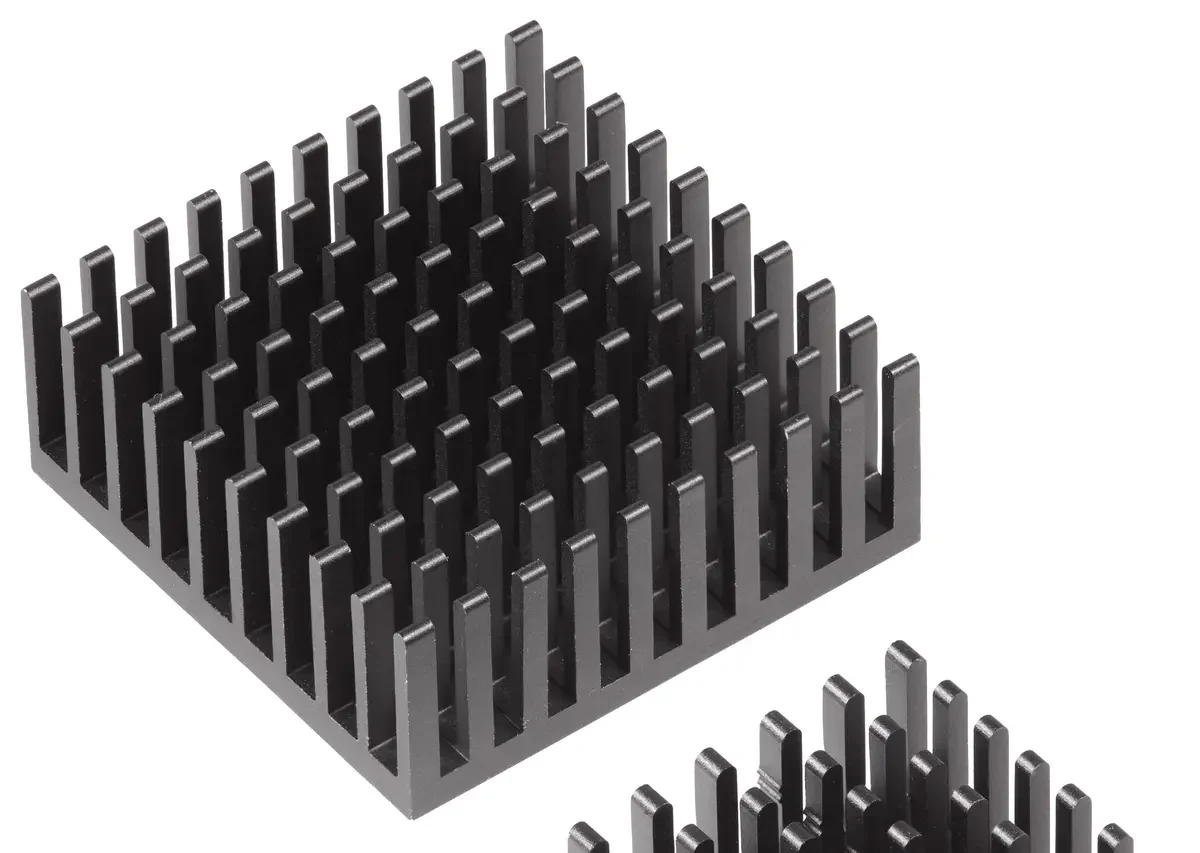
For a cosmetic audio parts run, split the payment into three or four milestones that each match something the shop has just done and the brand can see: a deposit when the order and the drawing revision are confirmed, approval of a finish sample and the balance when the finished and inspected parts are ready to ship. A new boutique brand wants proof before it pays, and a shop cannot sell a custom knob with someone else’s logo to another customer. Milestones share that risk. This post is for the owner or export sales engineer of a shop that machines and finishes cosmetic aluminum parts, and it gives you a structure to propose.
No public survey gives a standard deposit percentage for custom cosmetic runs, so none appears here. The method is to tie each payment to a cost you cannot recover and to evidence the brand can check.
Why boutique brands are a payment problem
A boutique audio brand is small. It may pay for the run from a preorder campaign, a bank loan or the founder’s savings. Its drawings are custom, its finish is specific and its orders come in waves that follow product launches. For a shop that means three exposures at once: material and outside finishing bought before anything is approved, cosmetic parts that nobody else wants if the brand cancels and a buyer in another country that is hard to chase.
The brand has its own worry. It pays money to a shop it has never visited, and the first thing it sees is a parcel. A finish sample and a photo set before the balance is paid give it a reason to continue. See your first export order of cosmetic audio parts for the sample step and the paperwork around it.
What the standard payment methods mean
trade.gov, the US government’s export site, ranks the usual payment methods by risk to the exporter. Here is how they read for a small cosmetic run.
| Method | What trade.gov says about exporter risk | What it means for an audio parts run |
|---|---|---|
| Cash in advance | Avoids credit risk because payment arrives before ownership transfers. Wire and credit card are the common forms | Safest for the shop. Hard to ask for in full from a brand that has not seen a sample |
| Letter of credit | A bank commitment to pay when stated terms and documents are met. Low risk to the exporter | Documents must match the terms exactly. More paperwork than most boutique runs justify |
| Documentary collection | No verification process and limited recourse if the buyer does not pay | Higher risk than a letter of credit. Rarely used on small runs |
| Open account | Goods ship first and payment follows in 30, 60 or 90 days. One of the highest risk options for the exporter | Buyers often ask for it. Hold it back until a first run has been delivered and paid |
| Consignment | Very risky, the exporter is not guaranteed payment | Not suited to custom cosmetic parts |
The page also notes that escrow services are emerging for small transactions. A boutique brand that does not want to pay in full to an unknown shop may accept an escrow arrangement as a middle path. Check the terms and costs of any such service before you suggest one.
Milestones sit between cash in advance and open account. The brand pays in steps as evidence arrives, and the shop never ships more value than it has been paid for, apart from the last step.
A milestone schedule you can propose
Offer the steps in the quote, not after the order. The right set depends on the size of the run and how much the brand has paid you before.
| Milestone | Trigger | What it covers | What the brand sees |
|---|---|---|---|
| 1. Deposit | Written order, approved drawing revision, signed quote | Bar stock, outside finishing slot, fixtures and tooling for the job | An order confirmation with the revision, quantity, finish and dates |
| 2. Sample approval | A finish sample or first article approved in writing | Start of the full run | Photos, measured values and the limit pair, see first article inspection |
| 3. Balance | Finished parts inspected and photographed, ready to pack | Remaining machining, finishing, inspection and packing | The inspection card and the final photo set |
| 4. Freight | Per the Incoterm named in the quote | Carriage and, where agreed, insurance | The commercial invoice and the packing list |
On a first run the deposit and the balance are the two that matter. A sample approval can carry its own payment on larger runs or none on short ones. On a repeat order from a brand that has paid on time, the balance can move to a set number of days after delivery. Do that after the first run, not before.
Set the deposit from your costs
Do not copy a percentage from another shop. List the lines you cannot recover if the brand walks away: material bought, the finishing slot you booked, fixtures made for this part and any engraving or masking set-up. Write the deposit as the share of the order that covers them. Say the same in the contract: what the deposit pays for, and whether it is refundable if the brand cancels before the sample, after the sample or after the run starts.
If the shop already prices the job line by line, the deposit follows from the numbers you have. Quoting cosmetic machining work without losing money shows how to build those lines. MOQ and lead time for machined audio parts explains why short runs carry more fixed cost, which is the reason a small run needs a bigger share up front.
Use the quote and the pro forma to carry the terms
trade.gov describes the pro forma invoice as a negotiating tool between seller and buyer, a declaration by the seller to supply the goods at a stated date and price, which later becomes the commercial invoice. Use it. Put the milestones on it: the amount and trigger of each step, the Incoterm and the bank details, the drawing revision and the finish.
Keep one more point in mind. trade.gov says Incoterms identify neither the goods nor the contract price, say nothing about the method or timing of payment and do not decide when title passes. So “FCA” or “DAP” on your quote does not tell the brand when to pay. Say that separately: parts ship after the balance clears, or on a named day after delivery. Write it as plainly as the freight term.
Make approval a dated event
Payments fail at the approval step. A brand takes three weeks to answer, the slot you booked passes and the next customer waits. Fix it in writing.
- Approve by evidence. Approval means the brand accepts the sample against the golden sample and the measured values on the card. Golden and boundary samples for cosmetic audio parts shows how to make that comparison concrete.
- Put a number of days in the contract. If the contract is silent, US sales law may apply. UCC 2-513 says a buyer may inspect goods before paying for or accepting them unless the parties agree otherwise, for example by payment against documents. UCC 2-602 says goods must be rejected within a reasonable time after delivery and the seller must be notified in good time. “Reasonable” invites argument. A fixed period, for example a set number of working days, does not. This applies to US buyers. Other countries differ, so ask a lawyer when the brand sits elsewhere.
- State the silence rule. Say what happens when the brand does not answer: the sample counts as approved after the period, or the slot is released and re-booked. Pick one and write it.
- Keep the record. The approval email, the photos and the inspection card go in the order file. Product photos for client approval lists what to send.
Need a quote for this part? Get a quote for your audio parts
Rejected parts, cancellations and delays
Three cases break a simple schedule. Decide them before the run.
Rejected parts. Agree what happens to the payment when part of a lot is rejected: remake, rework or credit. The brand’s view of this is covered in rejected audio parts: remake, rework or credit terms. On the shop side, pay the balance for the accepted quantity at once and settle the disputed quantity separately, so a few bad panels do not hold up the whole payment. Your own complaint routine is in cosmetic complaint handling for a machine shop.
Cancellation. If the brand cancels after you bought bar stock and booked a finishing slot, the deposit should cover the costs you incurred. State that the deposit is applied to those costs and list them. If the brand changes the finish colour mid-run, treat it as a change of order with its own price.
Delays on the brand’s side. A crowdfunded product can stall. Crowdfunded audio products and the first machined run describes the cycle. Hold the slot for a stated period, and then release it and re-quote. The deposit stays against the order.
Protect the payment itself
The FBI describes business email compromise as criminals taking over or imitating a legitimate email account and sending a request to change payment details or switch to a bank account they control. The IC3 advice includes verifying account changes through a second channel and checking that the sender address matches the real one. For a shop, that means:
- Put your bank details on the pro forma and the invoice, and say they will not change by email.
- If a brand asks you to change anything about payment, confirm it by a second route, not by replying to the same thread.
- If you ever receive a message that says your bank details have changed, treat it as suspect and check before you act.
If a payment goes astray, call your bank first and ask for a recall, as the FBI advises.
A clause to start from
Adapt it with your lawyer. Square brackets are for you to fill.
1. Order. The order is confirmed on the written quote, drawing revision [rev] and finish [spec].
2. Deposit. [x]% of the order value is due on confirmation. It covers material, finishing and tooling for this order.
3. Sample. The Buyer approves or rejects the finish sample in writing within [n] working days of delivery of photos and the inspection card. No reply within [n] days counts as [approval / release of the slot].
4. Balance. The remaining amount is due on notice that the finished parts are inspected and ready for dispatch. Parts ship after the balance clears.
5. Rejected parts. The balance for accepted quantity is due in full. Rejected quantity is handled by remake, rework or credit as agreed in writing.
6. Cancellation and delay. Costs already incurred are applied against the deposit.
Keep the terms short and the same
A one-page schedule you can send with every quote makes you look prepared and saves argument. When a brand pays on time twice, offer it a shorter deposit or open account terms for the next order. That is something you decide, not something a brand should assume.
If you machine and finish cosmetic parts and want to receive RFQs from audio brands that expect clear terms, talk to us on the supplier page.
Sources
- Methods of payment, trade.gov
- Common export documents, trade.gov
- Know your Incoterms, trade.gov
- UCC 2-513, buyer’s right to inspect goods, Cornell Legal Information Institute
- UCC 2-602, manner and effect of rightful rejection, Cornell Legal Information Institute
- FBI IC3 public service announcement on business email compromise, PSA230609
Sales law and payment practice differ by country. The clause above is a starting point, not legal advice. Sources read in October 2026.
Frequently asked questions
What payment milestones work for a cosmetic audio parts run?
A common shape is three steps: a deposit when the order and drawing revision are confirmed, approval of a finish sample or first article and the balance when the finished and inspected parts are ready to ship. No public survey gives a standard split for custom cosmetic runs, so set the deposit from the costs you cannot recover.
Should a shop ship before the final payment arrives?
For a new boutique brand, most shops hold the parts until the balance clears. trade.gov describes cash in advance as the option that removes credit risk for the exporter, and open account as one of the highest risk options. Move to payment after delivery only after a first run has been accepted and paid on time.
What should the deposit cover?
At least the costs you spend before anything can be resold: bar stock, the outside finishing slot, tooling and fixtures made for the job. Custom cosmetic parts with a brand logo have no other buyer. Write the deposit as a share of the order that covers those lines, and say what happens to it if the brand cancels.
How long should a brand have to approve a sample or a delivery?
Write a number of working days into the order. US sales law, if it applies, only says a buyer must reject goods within a reasonable time and notify the seller. That wording is open to argument, so a fixed period in the contract is clearer for both sides.
Need a quote for this part?
Send the drawing. We quote the finished parts, place the work with a partner shop and reply within 24 business hours.
Get a quote for your audio parts