Guides / Choosing a Supplier
Crowdfunding an Audio Product: How to Plan the First Machined Run
November 11, 2026
A crowdfunded audio product has to clear two hurdles that a normal product launch does not. The platform wants to see a working prototype before the campaign, and the backers want the product on the date you promised. The data on the second hurdle is not kind. In a study of over 48,000 Kickstarter projects, more than 75% delivered later than expected. This guide covers what the platform requires, what the evidence says about delay, and how to plan a first machined run when you do not yet know how many units you will have to make.
What the platform requires before you launch
Kickstarter’s help centre sets four rules for hardware and product design projects:
- Creators must show a working prototype, not only concept art.
- Photorealistic renderings are not allowed.
- Creators must explain how they will produce the product.
- Creators must say whether they have produced anything like it before.
The platform’s own guide adds that a prototype must show all of the product’s core features, that the funding goal must cover delivering the project and that reward prices should be set only after you know what each unit costs to make. It lists the stages to plan as proof of concept, final prototype, design for manufacturing, factory selection and ongoing production, and warns that a factory or supplier may have minimum order quantities you need to meet.
For a machined enclosure, knob set or panel, a working prototype is not enough proof that you can build 500. The prototype is one piece with a finish chosen by hand. That is the point of prototype amplifier chassis costs: a one-off carries all the setup, and a run spreads it.
What the evidence says about delay
Ethan Mollick’s study in the Journal of Business Venturing used all Kickstarter projects from 2009 to July 2012, after removing extreme goals and foreign projects, which left 48,526 projects and $237 million in pledges. The delivery findings:
| Finding | Number |
|---|---|
| Projects that delivered products later than expected | over 75% |
| Technology and design projects delivered on time (coded sample) | 24.9% |
| Mean delay of projects that were delayed, to the date of the study | 2.4 months |
| Effect of funding at 10 times the goal | about half as likely to deliver at a given time |
| Projects that gave up on delivering (direct failure) | well below 5% |
Three points matter for a hardware team. First, founders mostly tried to deliver. The problem was lateness, not fraud. Second, the study found that overfunded projects were the most exposed to delay, which means a good campaign makes the plan harder, not easier. Third, the causes the author cites from interviews with top-funded projects are manufacturing problems, shipping complexity, changes in scale or scope, and certification issues. The data is more than ten years old and covers all hardware, not only audio, so read it as a warning and not as a forecast.
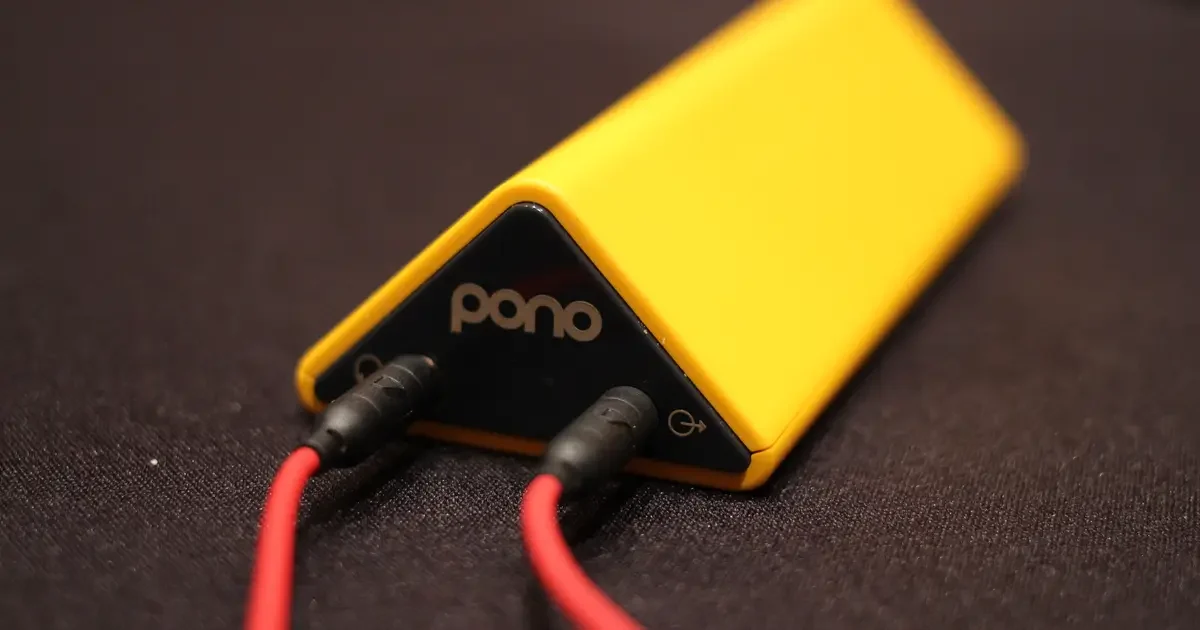
One audio example shows the shape of a campaign. Wikipedia reports that the PonoPlayer raised about US$6.2 million in preorders in an April 2014 campaign, backers began to receive devices in October 2014 and general release followed in February 2015. We do not know how the player was machined or whether those dates met the original plan, so treat it only as an example of how long a campaign to delivery can take.
Plan the first run around three quantities
You will not know the unit count when you ask for quotes, so ask for three.
- At the goal. The minimum run the campaign must fund.
- At about double. A normal success.
- At about ten times. The overfunded case, which Mollick’s data links to the longest delays.
Ask the shop for the price at each, the lead time for material at each, and where the price breaks. Price curves flatten quickly, see amplifier chassis cost, line by line, so the double case may cost little more per piece than the base case. The tenfold case is where lead time, finish capacity and inspection stop being a footnote.
| Campaign question | What to ask the machining side |
|---|---|
| Do we have enough material for the high case? | Bar or plate lead time at each quantity, see MOQ and lead time for machined audio parts |
| Can the finish hold at a larger lot? | Anodize lot size, colour range and rack capacity, see anodizing colour match for hi-fi parts |
| Will units look alike? | A signed reference part and a first article, see first article inspection for cosmetic parts |
| Is machining still the right route at 10x? | Break-even against casting, see die cast vs machined audio chassis |
| What will each unit cost to ship to a backer? | Packing, tariff and duty on the parts, see packing finished audio parts and tariffs and landed cost |
Need a quote for this part? Get a quote for your audio parts
Protect the schedule before you announce a date
Kickstarter’s guide tells creators to set funding goals and prices from real manufacturing costs. For the machining side that comes down to four habits.
- Run a pre-production batch first. Build a small lot from the production route, with the production finish, before the campaign ends if you can. A hand-finished prototype cannot answer finish questions, see cosmetic inspection lighting and viewing distance for the rule to agree with the shop.
- Put the cosmetic standard in writing. Backers see photographs in updates and unboxing posts, so any gap between the photographed unit and the shipped one is public. A written acceptance rule and a limit sample prevent most disputes, see cosmetic defect definitions for machined parts.
- Add buffer for the finish step. Finishing lots and inspection are separate from machining time, see low volume anodizing minimums.
- Protect the drawings. A crowdfunded design is public in photographs, so agree confidentiality and ownership terms before you release files, see protecting your drawings when sourcing overseas.
What not to promise
- A ship date based on the prototype. Mollick’s data links overfunding and size to delay. A date should rest on a quoted lead time for the larger case.
- A finish you have not produced in a lot. A single anodized prototype does not prove a run of 500 will match.
- A price before the landed cost is known. Duty and freight to many addresses are part of the unit cost.
- A rendering as a product photo. Kickstarter does not allow photorealistic renderings, and backers read renders as the final look.
What to put in the RFQ
- STEP file and 2D drawing with the cosmetic faces marked
- Quantities at the goal, at about double and at about ten times, priced separately
- Material, finish and a limit sample or a reference colour
- The date the campaign ends and the date you plan to ship, so the shop can say whether the lead time fits
- Whether the product will later move to casting or molding, so the machined version can match it
Send it through the RFQ form and we reply within 24 business hours with one itemised quote for the finished parts. Work goes to partner shops that make audio parts in short runs. If you are still choosing, see how to choose the right machine shop for audio parts.
Sources
- What are the rules for hardware and product design projects, Kickstarter Help Center
- How to launch a product on Kickstarter, part 1: prototype and manufacturing plan, Kickstarter
- The dynamics of crowdfunding: an exploratory study, E. Mollick, Journal of Business Venturing 29 (2014)
- PonoPlayer, Wikipedia
Frequently asked questions
Does Kickstarter require a prototype for a hardware product?
Yes. Kickstarter's rules for hardware and product design projects require creators to show a working prototype, ban photorealistic renderings and ask creators to explain how they will produce the product and whether they have made anything like it before. A concept render alone is not accepted.
How often do crowdfunded hardware projects ship late?
In a study of Kickstarter projects from 2009 to July 2012, over 75% delivered later than promised. In the coded sample of technology and design projects, only 24.9% delivered on time, and the delayed ones were on average 2.4 months late so far. That data is old, so use it as a warning, not a forecast.
How many units should the first machined run be?
There is no standard number. The campaign result decides it, and it is unknown when you ask for quotes. Ask the shop for prices at your goal quantity, at about double and at about ten times, and note where the price breaks. Overfunding is linked to delay in the data, so a plan for the high case matters.
Should a crowdfunded audio product be machined or die cast?
Machining has no tooling cost, so it suits a first run of hundreds of units. Die casting needs a die first and pays off at higher volume, see our die cast vs machined guide. One route is to machine the first run and decide on casting once the sales volume is known.
Need a quote for this part?
Send the drawing. We quote the finished parts, place the work with a partner shop and reply within 24 business hours.
Get a quote for your audio parts