Guides / Choosing a Supplier
Audio Hardware Rules in 2027: What Applies to Passive Parts, Battery Products and Radio Products
November 21, 2026
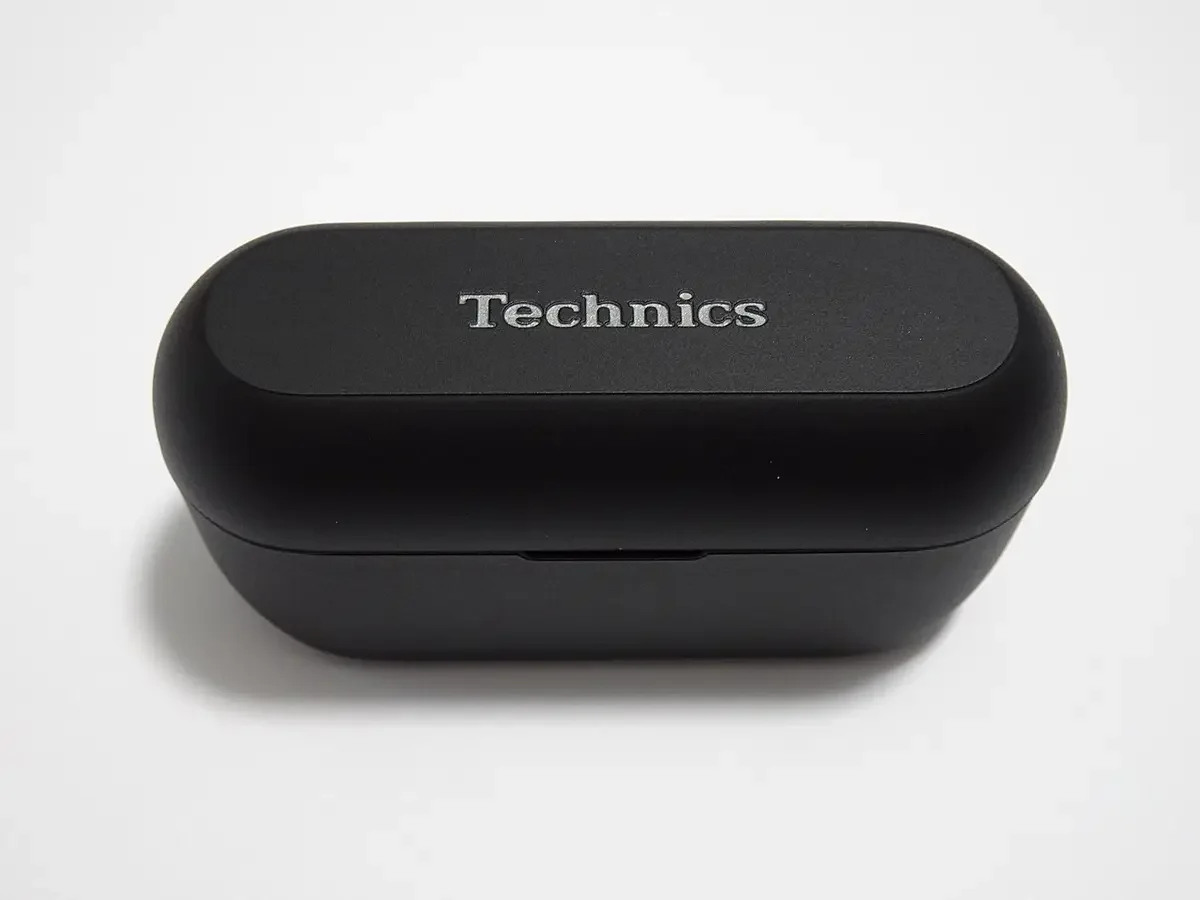
Only one date inside 2027 changes the design of audio products: from 18 February 2027, Article 11 of the EU Batteries Regulation requires products that incorporate portable batteries to be designed so that the user can remove and replace those batteries. A passive chassis, a panel, a knob or a mains-powered amplifier has no battery and is not touched by it. A wireless headphone, a portable speaker or a battery-powered DAC is. This calendar lists every rule that reaches audio hardware in 2027, separates what is new from what already applies, and marks which items hit passive parts, battery products or radio products.
It covers the European Union only. It is not legal advice. Dates come from the official texts and Commission documents listed at the end, read in October 2026.
Which kind of product are you making
The rules depend on three questions: does the product contain a battery, does it contain a radio and does a consumer use it.
| Product | Battery | Radio | Rules that matter most in 2027 |
|---|---|---|---|
| Passive hardware: chassis, panels, knobs, feet | No | No | None of the battery or radio rules. The finished product brings its own rules, and supply chain evidence matters more |
| Mains-powered amplifier, DAC or turntable without wireless | No | No | General product safety, EMC and safety standards. See EMC for amplifier chassis and IEC 62368-1 for audio enclosures |
| Bluetooth or wifi amplifier, streamer or DAC | No | Yes | Radio Equipment Directive, including its cybersecurity requirements |
| Wireless headphones, earbuds, portable speakers | Yes | Yes | Battery removability and QR code, USB-C charging, radio and cybersecurity rules |
Many boutique brands sell only the first two rows. They carry fewer rules in 2027, but the forced labour ban at the end of the year reaches every product placed on the EU market.
The calendar
Items are in date order. “Already applying” means the rule started before 2027 and is part of what a 2027 product must meet.
| Applies from | Rule | Who it hits | What changes | Source |
|---|---|---|---|---|
| 13 December 2024 | General Product Safety Regulation (EU) 2023/988 | Any consumer product, including audio | Technical documentation and risk analysis kept for 10 years, a type, batch or serial number, manufacturer name and address on the product, and an EU-based responsible person | Regulation 2023/988 |
| 28 December 2024 | Common charger rules, Directive (EU) 2022/2380 | Headphones, headsets, portable speakers, earbuds that charge by wire | USB Type-C receptacle. Sellers must also offer the product without a charger | Directive 2022/2380 |
| 1 August 2025 | Radio Equipment cybersecurity, Delegated Regulation (EU) 2022/30, date moved by 2023/2444 | Internet-connected radio equipment, wearable radio equipment that can process personal data | Network protection and personal data protection requirements apply to the radio product | Regulation 2022/30, Regulation 2023/2444 |
| 18 August 2026 or later | Battery labelling, Article 13 of Regulation (EU) 2023/1542 | Battery producers | General battery label and capacity label from 18 August 2026, or 18 months after the labelling implementing act enters into force, whichever is later | Regulation 2023/1542 |
| 18 February 2027 | Removability and replaceability, Article 11 of Regulation 2023/1542 | Products that incorporate portable batteries | Battery removable and replaceable by the end user with commercially available tools. Instructions online. Spare parts for five years | Regulation 2023/1542 |
| 18 February 2027 | Battery QR code, Article 13(6) | Battery producers | All batteries carry a QR code described in Annex VI, Part C | Regulation 2023/1542 |
| 18 August 2027 | Battery due diligence, Article 48, moved by Regulation (EU) 2025/1561 | Battery economic operators above EUR 40 million turnover | Supply chain due diligence on cobalt, natural graphite, lithium and nickel, verified by a notified body | Regulation 2025/1561 |
| 14 December 2027 | Forced Labour Regulation (EU) 2024/3015 | Every product placed on the EU market | Ban on products made with forced labour. Authorities may ask for supply chain information | Regulation 2024/3015 |
Two further 2027 items are plans, not rules, and are covered below: the ecodesign working plan and the proposal to extend the carbon border levy to downstream goods.
18 February 2027: batteries must come out
Article 11(1) says that anyone who places on the market a product that incorporates portable batteries must make sure the batteries are readily removable and replaceable by the end user at any time during the life of the product. The text defines “readily removable” as removable with commercially available tools, without specialised tools unless those are provided free with the product, without proprietary tools, thermal energy or solvents. The obligation applies to the entire battery, not to the individual cells.
Four other requirements sit in the same article:
- The product must come with instructions and safety information on using, removing and replacing the battery, available permanently online on a public website.
- Batteries must be available as spare parts for at least five years after the last unit of the equipment model was placed on the market, at a reasonable and non-discriminatory price.
- Software must not be used to block the replacement of a battery with a compatible one.
- Article 11(2) lets the battery be removable only by independent professionals in appliances designed primarily for wet environments that are washable or rinseable, and in some medical devices. Article 11(3) excepts products where continuity of power supply is necessary and a permanent connection is required for safety or data integrity.
The Commission published non-binding guidelines on Article 11 in the Official Journal on 10 January 2025 (notice C/2025/214). They draw on the tool classes of EN 45554 and describe the end user as an adult with no specific repair experience or qualification. For smartphones, mobile phones, cordless phones and slate tablets, ecodesign Regulation (EU) 2023/1670 takes precedence. Audio products are not in that list.
For an enclosure designer, the practical meaning is simple to state and hard to retrofit: a battery that is glued, welded or buried under a bonded panel does not pass the tool test. A machined or extruded enclosure with a screwed access cover and a standard screw head does. Whether a given sealed earbud or sweat-proof speaker fits a derogation is a legal judgement for the brand and its adviser, not something a drawing settles.
What was already running
General product safety. Regulation 2023/988 replaced the old directive on 13 December 2024. Article 9 asks the manufacturer for an internal risk analysis and technical documentation, kept for 10 years after the product is placed on the market. Article 16 says a product shall not be placed on the market unless an economic operator established in the Union is responsible for it. A non-EU brand needs that responsible person named on the product or packaging.
USB-C. Directive 2022/2380 puts headphones, headsets, portable speakers and earbuds in Annex Ia. If the device can be recharged by wired charging, it must have a USB Type-C receptacle. Laptops joined from 28 April 2026. A brand that sells a charger bundle must also offer the product without it.
Radio cybersecurity. Delegated Regulation 2022/30 applies Article 3(3), points (d), (e) and (f) of the Radio Equipment Directive to internet-connected radio equipment, to radio equipment worn on the body that can process personal data and to equipment that can transfer money. It was set to apply from 1 August 2024 and Regulation 2023/2444 moved that to 1 August 2025. Wireless headphones worn on the head fall within the wearable wording, so the data protection requirement applies to them if the product can process personal data. Passive hardware and non-wireless amplifiers are not affected.
Need a quote for this part? Get a quote for your audio parts
2027 plans that are not yet rules
Ecodesign for sustainable products. The Commission’s working plan for 2025 to 2030 (communication COM(2025) 187, 16 April 2025) gives indicative adoption timelines. For 2027 it lists aluminium as an intermediate product and a horizontal measure on repairability, including scoring. The plan says the repairability scope, to be refined during the preparatory study, could include consumer electronics. A measure on recycled content and recyclability of electrical and electronic equipment is indicated for 2029. These are timelines for the Commission to adopt acts, not requirements on a product today. The ban on destroying unsold goods that applies from 19 July 2026 lists only apparel, clothing accessories and footwear in Annex VII of Regulation 2024/1781, so audio products are not in it.
Carbon border levy on downstream goods. The Commission proposed on 17 December 2025 to extend the Carbon Border Adjustment Mechanism to 180 downstream products with an average steel or aluminium content of 79 percent (proposal COM/2025/989). The European Parliament research service page of 6 July 2026 shows the proposal still in procedure and gives no application date. Whether any audio hardware tariff code is on the final list is unknown. Check the annex of the final text before you plan around it.
What the 2027 rules ask of your supply chain
The brand carries these rules, not the shop. A shop can help with documents and, for some products, with a design change.
| Rule | What to ask the shop or the drawing for |
|---|---|
| Battery removability | A battery compartment with a screwed cover and common screw heads, no glue or heat needed to open it, and room for the battery’s service access |
| GPSR technical documentation | Material and finish declarations, the drawing revision list and batch or lot records you can keep for 10 years. See RoHS and REACH declarations for machined audio parts |
| Forced labour ban | Where the aluminium or brass came from and which shops did the work. The sister post on forced labour due diligence for hi-fi brands lists the documents |
| Radio rules | Nothing from a chassis shop. The radio module supplier carries the radio documents |
For the EU rules on a plain enclosure there is one more habit worth adopting: hold a drawing, a lot record and a declaration for every part number. The records a cosmetic shop shows at a brand audit page describes what a well-run shop keeps.
Rules in the United States differ. See hi-fi parts for US audio brands for FCC, Prop 65 and duties.
When to act
- Before 18 February 2027: decide whether any product in your range incorporates a portable battery that a user cannot replace with common tools. If yes, the new enclosure revision needs drawings and quotes before that date, because the product placed on the market on or after that date must comply.
- Before 14 December 2027: collect supply chain records for the aluminium and other materials in each product.
- Throughout 2027: watch the labelling implementing act, the ecodesign working plan and the carbon border proposal.
If you have an enclosure revision that needs a redesigned access cover or a new anodized panel, send the drawing on the RFQ page. We read it and reply within 24 business hours.
Sources
All pages read in October 2026. This is not legal advice.
- Regulation (EU) 2023/1542 on batteries and waste batteries
- Regulation (EU) 2025/1561 postponing battery due diligence to 18 August 2027
- Commission notice C/2025/214, guidelines on removability and replaceability of portable batteries
- Directive (EU) 2022/2380, common charger
- Delegated Regulation (EU) 2022/30, radio equipment cybersecurity and Delegated Regulation (EU) 2023/2444
- Regulation (EU) 2023/988, general product safety
- Regulation (EU) 2024/1781, ecodesign for sustainable products
- Communication COM(2025) 187, ecodesign and energy labelling working plan 2025 to 2030
- European Parliament Research Service briefing on the CBAM downstream proposal
- Regulation (EU) 2024/3015, forced labour products ban
Frequently asked questions
Does the Batteries Regulation apply to a wireless headphone?
Article 11 of Regulation (EU) 2023/1542 applies from 18 February 2027 to products that incorporate portable batteries, so a battery-powered headphone or speaker is in its reach unless a derogation applies. Check the Regulation's definition of a portable battery and the derogations in Article 11 with your compliance adviser. A passive chassis, panel or knob has no battery and is not affected.
Is USB-C mandatory for all audio products?
No. The common charger rules cover radio equipment categories listed in Annex Ia of Directive 2014/53/EU, which include headphones, headsets, portable speakers and earbuds, and only where the device can be recharged by wired charging. Those devices must have a USB Type-C receptacle. The rule has applied since 28 December 2024.
Does the EU Forced Labour Regulation require due diligence from a hi-fi brand?
Not as a duty. Article 1(3) of Regulation (EU) 2024/3015 says it does not create additional due diligence obligations. It prohibits placing products made with forced labour on the EU market, and it applies from 14 December 2027. A brand that can show how it checked its supply chain is better placed if an authority asks.
Do the 2027 rules change what a chassis maker must do?
The legal duties sit with the brand that places the finished product on the market. A shop that makes a chassis or panel may be asked for drawings, material declarations or an enclosure change, for example a battery compartment that opens with common tools. The shop is not the manufacturer under these rules.
Need a quote for this part?
Send the drawing. We quote the finished parts, place the work with a partner shop and reply within 24 business hours.
Get a quote for your audio parts