Guides / Choosing a Supplier
Golden Sample Transfer When an Audio Brand Changes Machine Shop
November 21, 2026
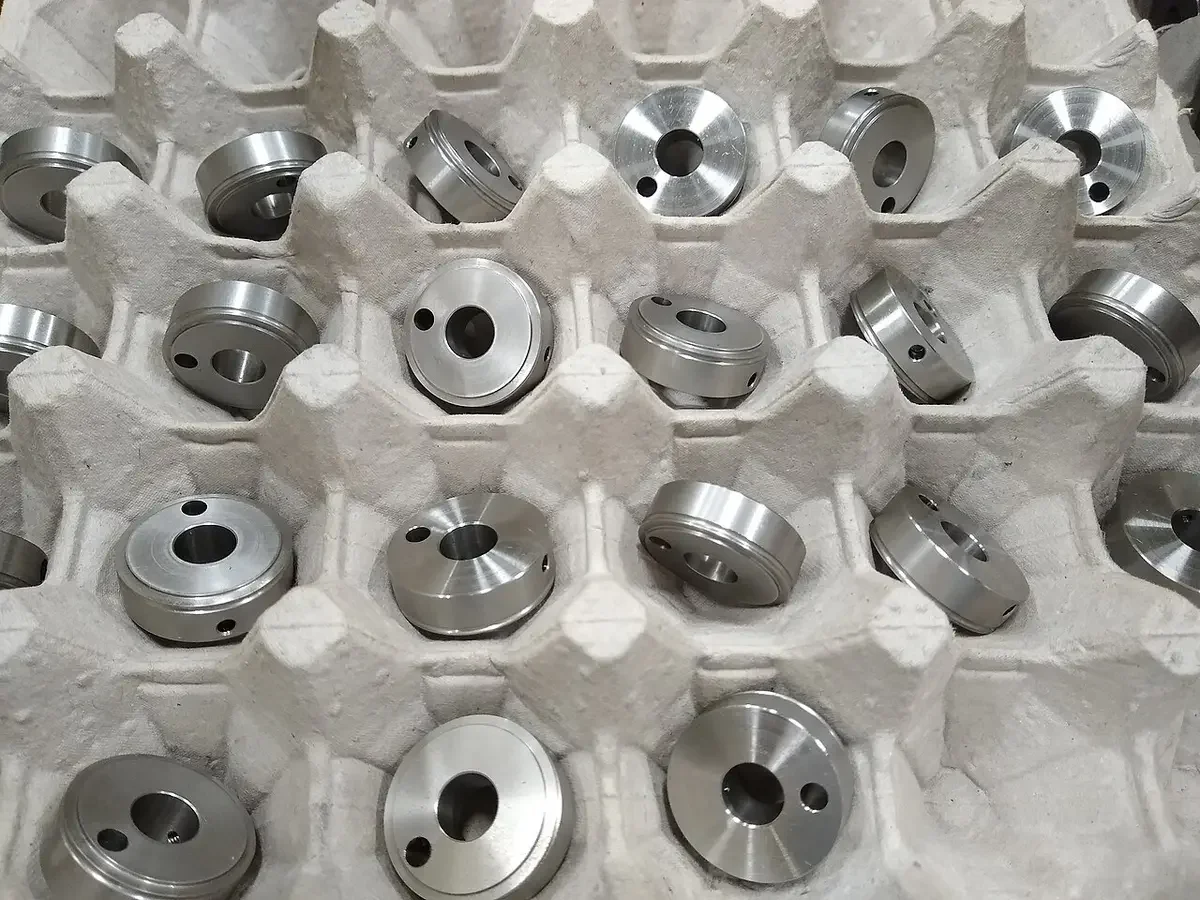
When an audio brand changes machine shop, the part has not changed but the process has, and appearance is the specification. The transfer works if the new shop gets the physical reference, the finish record and the fixtures, and then has to prove it can match the reference before it runs the order. This post gives the order of steps.
The steps apply whether the new shop comes through us or from your own list.
Before you tell the old shop
Altium, a design software company, publishes supplier-switching guidance with points that fit here. Review the termination clauses, outstanding orders, inventory and tooling before you announce anything. Stay discreet until you are ready, and keep buffer stock for the transition.
For a cosmetic part, add three checks of your own:
- What is on the shelf? Count the finished parts at the old shop and the parts at your warehouse. They are your buffer and your comparison set.
- Which reference parts exist? The golden sample and any boundary samples, with their labels. See golden and boundary samples for cosmetic audio parts.
- Where are the files? The drawing at its current revision, the STEP file and any finish note. If some of this sits only in the old shop’s system, ask for it before the relationship cools.
What to collect from the old shop
| Item | Why the new shop needs it | Note |
|---|---|---|
| Drawing and STEP at the approved revision | The new shop quotes and programs from it | One revision letter in the file names. See the amplifier chassis RFQ checklist |
| Golden sample and boundary samples | They define what acceptable looks like | Keep the originals with you and send the new shop a matched set, not your only copy |
| Finish record | Alloy, temper, process, colour reference, thickness and which faces get what | Ask the old shop and its finisher for the record, see the finish spec builder for a note to start from |
| Last first article report and photographs | They show how the approved part was measured and viewed | See first article inspection for cosmetic audio components |
| Fixtures and programs | They shorten setup and keep datum choices | Agree in writing who owns them, and negotiate their transfer or buy them if feasible, as Altium advises |
| List of what the old shop changed | The silent process changes that made the part work | Short and in writing |
| Packing method | Scratches on arrival look like finish defects | See packing finished audio parts |
Do not send the only golden sample. Ship a copy, a labelled second set or photographs for quoting, and keep the original in a controlled place.
Brief the new shop
Give the new shop the physical samples and the finish record with the RFQ, not after the first quote. It is the point where quotes for a transfer differ from quotes for a new part. Say plainly that this is a transfer, what the reference is and which faces are judged.
Then ask three things:
- Who finishes the part? If the new shop uses a different anodizer, the colour may move. SAF says different alloys anodize different colours and that metal produced on different days differs. It says one anodizer doing all the finishing for a project is the only way to minimize colour variation, and recommends sharing samples between finishers when one finisher is not possible.
- What alloy and lot will you use? Ask for the mill certificate of the lot, as in tariffs and landed cost on imported audio chassis parts.
- What will you do differently from the old shop? The honest answer is usually something. Write it down.
First article, side by side with the reference
Altium describes first article inspection as a formal, documented verification of a supplier’s production, with the first article made under production-like conditions, checked for dimensions, material and function, reported and reviewed before approval. For a cosmetic part, add the appearance check:
- Make the first article on the production fixtures and through the real finish.
- Compare it with the golden sample, in your agreed light, touching both.
- Measure the fits and the gaps, see panel gaps on an audio enclosure.
- Review the photographs of rack points and packing.
- Record the decision with the revision letter.
Automotive buyers use the production part approval process to the same end. Wikipedia says approval is required whenever a new or modified component is introduced or the manufacturing process is changed, and may also be needed when external sub-contractors process components. You are not an automotive supplier, but the logic carries over: a new shop is a changed process, so approve it again.
Need a quote for this part? Get a quote for your audio parts
When the new shop cannot match the reference
Sometimes it cannot. The old finisher’s colour may not repeat on the new alloy lot, or a texture depends on a blast media the new shop does not stock. Then you have a choice:
- Adjust the process with the new shop and make a new sample. SAF says anodizers can adjust their process to correct a bad first run, though they cannot change the metal’s structure.
- Approve a new reference and write the revision on it. Keep the old reference, labelled as superseded, and do not mix the two in inspection.
- Stop and choose another shop. A shop that cannot say why the colour differs is a risk for the second batch, see how to judge a machine shop’s cosmetic sample parts.
Run an overlap if you can
Altium advises planning an overlap in which both suppliers are used during the transition. For a cosmetic part, one small lot from each shop against the same reference tells you more than any report. Do not mix parts from the two shops in one product until the new shop has passed the first article, unless the cosmetic rule allows it.
Protect the drawings in the handover
A transfer sends your files to a new party. Use an NDA before you share the drawing, as in protecting your drawings when sourcing parts overseas. The RFQ form has a tick box asking for an NDA before your drawing is shared and another for a finish sample approved before the full run. Say in the description that this is a transfer and attach the reference photographs. We reply within 24 business hours with one itemised quote for the finished parts.
A short routine
- Check contracts, stock and tooling before you announce the change.
- Collect the drawing, finish record, reports, fixtures and a copy of the reference set.
- Brief the new shop with samples and ask who finishes the part.
- Run a first article through the real finish and compare it side by side.
- Approve in writing or set a new reference.
- Overlap one small lot before you move all orders.
Sources
- 5 tips for switching strategic suppliers, Altium (software vendor content, directional)
- Appearance and color variation, SAF (supplier content, directional)
- Production part approval process, Wikipedia
Frequently asked questions
What is a golden sample transfer?
It is the handover of the approved reference parts, the drawing, the finish record and the fixtures from one shop to another, so the new shop can reproduce the same look and fit. The approved reference is the standard. The new shop's first article is judged against it before the production run is released.
Should I keep using the old shop while the new shop starts?
Where you can, yes. Altium advises planning an overlap in which both suppliers are used during the transition, and keeping buffer stock. A small overlap lets you compare parts from both shops against the same reference and lowers the risk of a gap in supply.
Do I need a new golden sample after changing shop?
Often yes. A different finisher, alloy lot or process can change colour and grain, and SAF says one anodizer for all the finishing is the only way to minimize colour variation. If the new route cannot match the old reference, approve a new reference in writing and keep the old one, labelled as superseded.
Who owns the fixtures and programs?
It depends on what was agreed, so check the contract before you tell the old shop. Altium advises that if specialized tooling is used you negotiate its transfer to the new supplier or buy it if feasible. Write down in the new purchase order who owns fixtures and programs from day one.
Need a quote for this part?
Send the drawing. We quote the finished parts, place the work with a partner shop and reply within 24 business hours.
Get a quote for your audio parts